
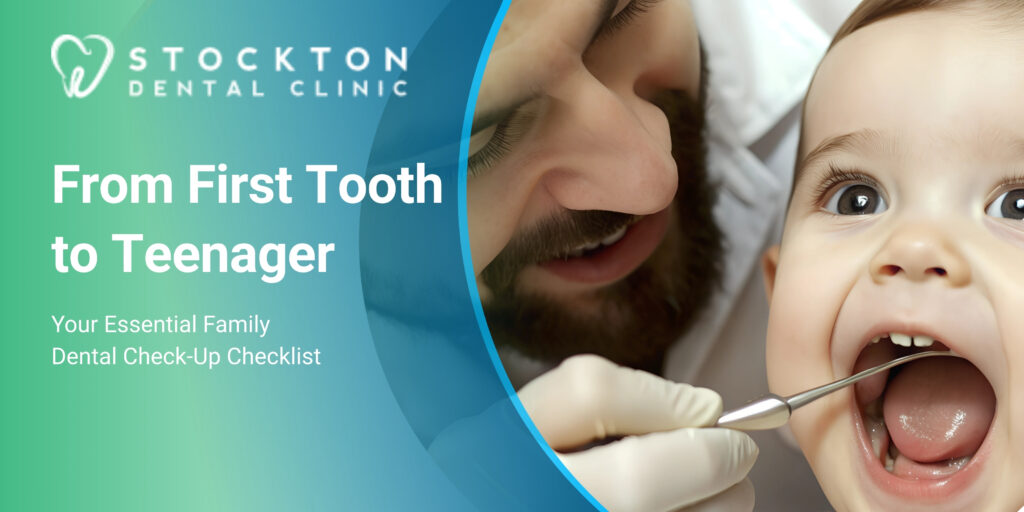
Maintaining a healthy smile isn’t just about aesthetics; it’s a vital part of your family’s overall well-being. From that very first milky white bud in a baby’s mouth to the complex orthodontic needs of a teenager, dental care requirements shift dramatically as children grow.
If you are living in Stockton, NSW, you know that our coastal community values health and active living. But between school runs to Stockton Public and weekend trips to the beach, dental health can sometimes slip to the back burner.
This comprehensive guide serves as your ultimate family dental check-up checklist, ensuring your children’s smiles stay bright from infancy through to adulthood.
Why Family Dentistry Matters in Stockton
Consistency is the secret ingredient to a lifetime of oral health. Finding a dentist in Stockton or the greater Newcastle area who understands the “growth journey” of a child’s jaw and teeth is essential. Early intervention can prevent painful cavities, speech impediments, and costly orthodontic work down the line.
Phase 1: The “First Tooth” Milestone (Ages 0–2)
Many parents ask, “When should my child first see a dentist?” The Australian Dental Association recommends the first visit occur when the first tooth appears or by the child’s first birthday.
The Checklist for Infants:
- The “Happy Visit”: This first appointment is less about clinical work and more about familiarisation. The goal is to make the dental chair a “fun” place.
- Gum Hygiene: Before teeth even emerge, use a soft, damp cloth to wipe your baby’s gums after feedings. This removes bacteria and prepares them for the sensation of brushing.
- Teething Management: Teething can be a stressful time. Discuss safe teething toys, cold washcloths, and whether teething gels are appropriate for your child with your Stockton dentist.
- Preventing “Bottle Rot”: Never put your baby to bed with a bottle of milk, formula, or juice. The natural sugars pool around the teeth overnight, leading to rapid decay (Early Childhood Caries).
- Lifting the Lip: Once a month, lift your baby’s top lip to check for chalky white spots near the gum line—this is often the first sign of decay.
Phase 2: The Toddler & Preschool Years (Ages 3–5)
By age three, most children have a full set of 20 primary (baby) teeth. This stage is all about habit-building and preventing “fear of the dentist.”
The Checklist for Preschoolers:
- Twice-Daily Brushing: Use a small, soft-bristled brush. Up until age 6, parents should be doing the heavy lifting to ensure all surfaces are cleaned.
- Fluoride Facts: Use a pea-sized amount of low-fluoride children’s toothpaste. Ensure they spit it out rather than swallowing.
- The Sugar Trap: Limit “sticky” sweets. Foods like dried fruit or “fruit leathers” are often marketed as healthy but are notorious for sticking in the deep grooves of toddler molars.
- Fissure Sealants: As back molars come in, ask your dentist about sealants. These are thin, protective coatings that “seal” the deep pits of the teeth where toothbrushes can’t reach.
- Breaking Habits: If thumb-sucking or pacifier use persists past age four, it can begin to change the shape of the roof of the mouth and the alignment of permanent teeth. Ask your dentist for gentle cessation strategies.
Phase 3: The Primary School Years (Ages 6–12)
This is the “mixed dentition” stage, where baby teeth fall out and permanent adult teeth begin to erupt. It’s a busy time for the jaw!
The Checklist for Primary Students:
- The 6-Year-Old Molars: The first permanent molars usually arrive around age six. Because they are at the very back, they are often missed during brushing.
- Sports Mouthguards: With Stockton’s vibrant junior sports scene—whether it’s footy, netball, or surfing—a custom-fitted mouthguard is non-negotiable to prevent dental trauma.
- Fluoride Treatments: Professional fluoride applications during six-monthly check-ups help strengthen the developing enamel of permanent teeth.
- Orthodontic Screening: Most dentists recommend an orthodontic evaluation by age seven to identify potential crowding or bite issues early.
Phase 4: The Teenager Transformation (Ages 13–18)
Teens face unique challenges, from hormonal changes affecting gum health to the social pressures of having a “perfect” smile.
The Checklist for Teenagers:
- Wisdom Teeth Monitoring: Your dentist will use X-rays to track the development of third molars (wisdom teeth) to see if they are impacted.
- Orthodontics (Braces or Invisalign): If alignment is an issue, the early teens are the standard time for corrective treatment.
- Hormonal Gingivitis: Puberty can cause gums to become red, swollen, and prone to bleeding. Professional cleans are vital during this stage.
- Lifestyle Discussions: Teens need to be educated on the dental risks of vaping, sugary energy drinks, and oral piercings.
Understanding the Child Dental Benefits Schedule (CDBS)
Did you know that many families in Stockton are eligible for free basic dental cover? The Australian Government’s CDBS provides up to $1,095 over two calendar years for basic dental services for children aged 0–17.
Services covered include:
- Check-ups and X-rays
- Cleaning and Fissure Sealing
- Fillings and Extractions
- Root Canals
Check your eligibility through Medicare or ask your local Stockton dental clinic to check for you during your booking.
Note: The CDBS does not cover orthodontic or cosmetic work. You can check your child’s eligibility through your Medicare online account (myGov) or by calling Medicare directly. Many local Stockton dentists bulk-bill these services, meaning there is no out-of-pocket cost for eligible families.
How to Choose a Dentist in Stockton, NSW
When searching for the right provider, look for “Family-Centric” practices. A good Stockton dentist should:
- Be Patient: They should never rush a nervous child.
- Use Technology: Look for clinics with digital X-rays (lower radiation) and intraoral cameras so you can see what the dentist sees.
- Prioritise Education: They should teach your child how to brush, not just fix the problems.
- Have Emergency Availability: Dental emergencies happen—usually on a Sunday afternoon. Check if your clinic has an emergency contact protocol.
How to Prepare Your Child for Their Check-Up
A positive attitude starts at home. To ensure a stress-free visit:
- Use Positive Language: Avoid words like “pain,” “needle,” or “drill.”
- Roleplay: “Count” your child’s teeth with a toothbrush at home to mimic the dentist’s actions.
- Schedule Wisely: Book appointments in the morning when children are well-rested and less likely to be “cranky.”
Summary Table: Age-by-Age Dental Care
| Age Group | Main Focus | Frequency | Key Milestone |
| 0 – 2 Years | Familiarisation | Every 6-12 Months | First Tooth / First Birthday |
| 3 – 5 Years | Habit Building | Every 6 Months | Full set of primary teeth |
| 6 – 12 Years | Protection | Every 6 Months | Permanent molars / Mouthguards |
| 13 – 18 Years | Alignment & Lifestyle | Every 6 Months | Wisdom teeth / Orthodontics |
Final Thoughts for Stockton Families
Your family’s dental health is a marathon, not a sprint. By following this checklist and maintaining a relationship with a trusted local professional, you are setting your children up for a lifetime of confidence and health.
Living in a beautiful spot like Stockton means we have plenty to smile about—let’s make sure those smiles are healthy!
Book a Consultation with a Dental Expert